Whoa!
I fell into the DeFi rabbit hole in 2018. At first I thought all wallets were the same, but that was naive. My instinct said to be careful, and honestly something felt off about browser pop-ups. Here’s what bugs me about the space—too many layers of convenience wrapped around unclear security tradeoffs.
Seriously?
Browser extension wallets are insanely convenient. You click, approve, and trade in seconds, which is beautiful when you need it. But convenience can hide vulnerability; extensions live in the browser process after all, which increases attack surface. On one hand the UX accelerates adoption, though actually on the other hand it demands discipline and better tooling.
Hmm…
I use multiple wallets for different purposes and that practice helped me notice patterns. Initially I thought hardware wallets solved everything, but then realized that for frequent DEX interactions you need speed. Actually, wait—let me rephrase that: hardware is safer overall, yet it’s clumsy when you swap tokens often. So the middle ground matters: a well-designed extension that segments accounts and enforces UX safeguards.
Wow!
One thing I like is clear transaction previews. If a wallet shows exact token approval ranges, gas estimates, and the contract address I’m interacting with, I breathe easier. That level of transparency prevents many common phishing and malicious contract attacks. But the UI must not overload the user—too much detail can lead to fatigue and blind approvals.
Here’s the thing.
I tested several extensions and tracked what they asked for during installation and runtime. Permissions varied wildly, and some wanted broad access without a clear need. My instinct said this was a red flag, and I isolated those extensions in a disposable profile to verify behavior. That part bugs me—extensions sometimes request host permissions that enable cross-site leaks or key scraping.
I’m biased, but I prefer wallets that separate ‘hot’ and ‘watch-only’ accounts.
A hot account handles daily trades while a watch-only or cold-controlled account holds larger sums. This setup reduces risk without tempo loss when I need to act fast. Practically, that looks like account-level confirmations and the ability to lock or mute approvals temporarily. Oh, and by the way… multisig for high-value operations is underused but powerful.
Something felt off about some “one-click” approvals I saw in tests.
They requested blanket allowances for unknown contracts which is scary. Initially I assumed that smart contract wallets would handle this, but there are tradeoffs and UX friction. On one hand wallets can warn users; on the other hand warnings are often ignored. So education plus friction is the answer—nudge users, then require deliberate steps.
Really?
Check this out—visual cues matter a ton when you scan a signing dialog. It was very very useful when an extension highlighted the recipient address in bold and showed the exact method that would be executed. Small things like that reduce cognitive load and speed safer decision-making. I mean, my gut says the right microcopy prevents mistakes.
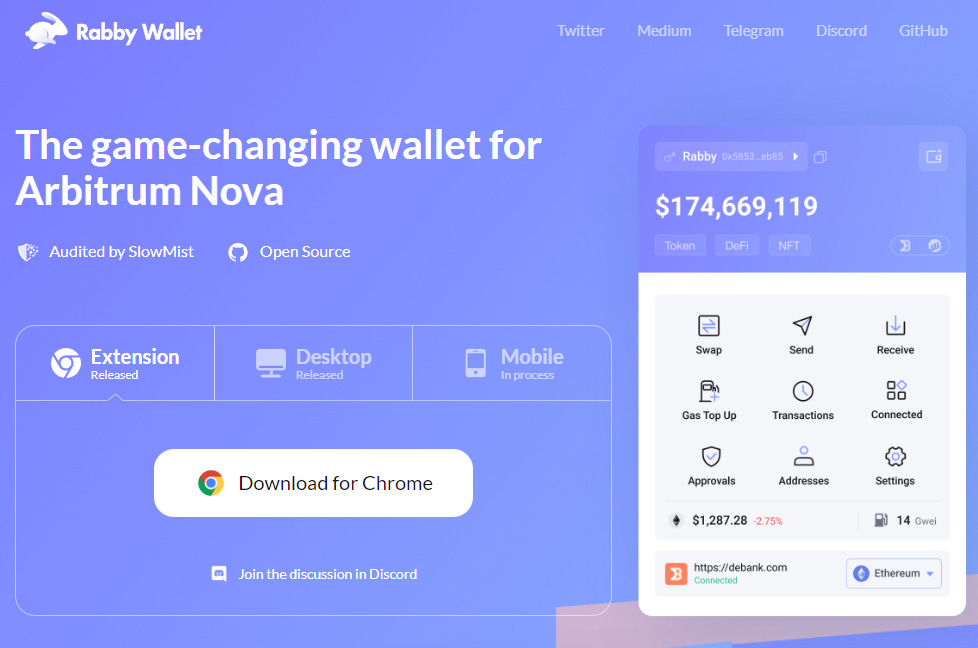
A practical pick: tried and tested
I installed Rabby and ran it through my checklist—permission audit, transaction preview clarity, and recovery flow tests. If you want to install it yourself, here’s a safe starting point: rabby wallet download.
Whoa!
The extension handled approvals clearly, and the UX nudges reduced accidental approvals. I’m not 100% sure, but it felt more trustworthy than a couple alternatives I tried—maybe it’s the UI hierarchy. I’m biased towards simplicity, so some power users might want deeper contract introspection tools.
Okay, so check this out—hardware integration mattered in my tests.
I connected a ledger and the pairing flow was straightforward, which made larger transfers feel less risky. Small frictions that enforce review are good; too many prompts are bad, though balance is personal. Also, somethin’ about the recovery seed UX felt friendlier than others (oh, and I actually liked the mnemonic backup guide they included).
I’ll be honest: this space evolves weekly.
New phishing techniques appear and new mitigations roll out in response. On one hand that keeps developers busy; on the other hand it keeps users wary. I’m not 100% perfect in my setup, and I make mistakes—so test with tiny amounts and iterate.
So try it, but be cautious—yeah, it’s a mixed bag and I’m still learning somethin’ new every week…
FAQ
Is a browser extension wallet safe?
Short answer: it depends on your setup and habits. Use hardware integration for large sums, separate accounts for different risk levels, and always verify contract addresses and approval scopes before signing.
Leave a Reply